
Genuine Products
100% Authentic
Easy Integration
Plug & Play
Reliable Performance
Consistent & Stable
Reliable Quality
Tested & Verified


Couldn't load pickup availability


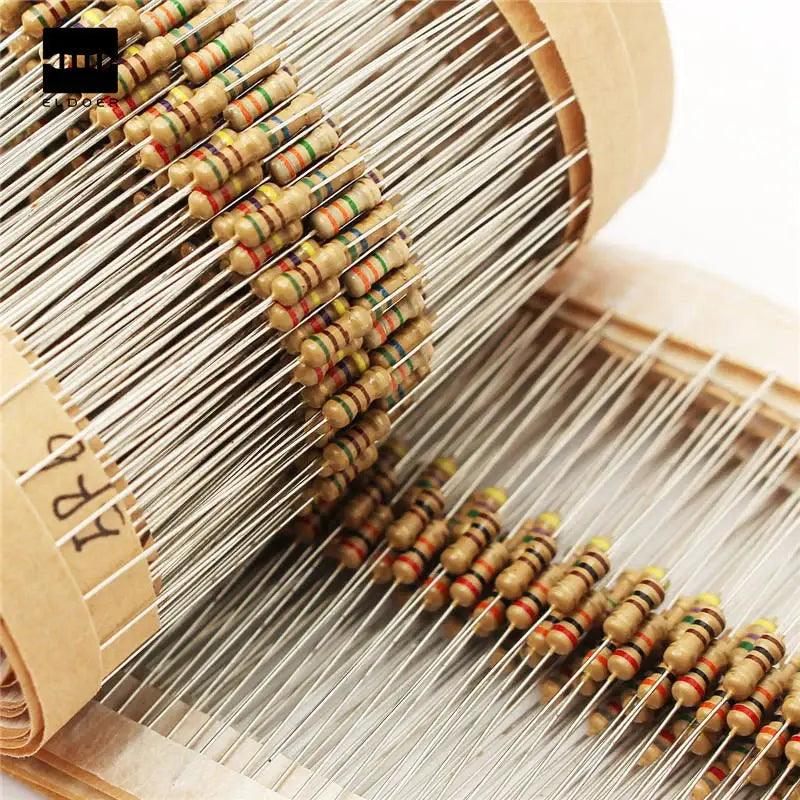
Carbon Film Resistors are typical axial-lead resistors, which have much better temperature stability and provide lower noise, and are generally better for high frequency or radiofrequency applications.
Excellent Noise Suppression, Moisture-Proof, High Temperature Resistance And Long Working Life. Applications:
Orders placed before 3 PM IST will be shipped on the same day (excluding Sundays and Public holidays) through our shipping partners. In rare cases, the pickup may get delayed during Public holidays / Bandh / Environmental disturbances.
