Skip to product information
1 of 3

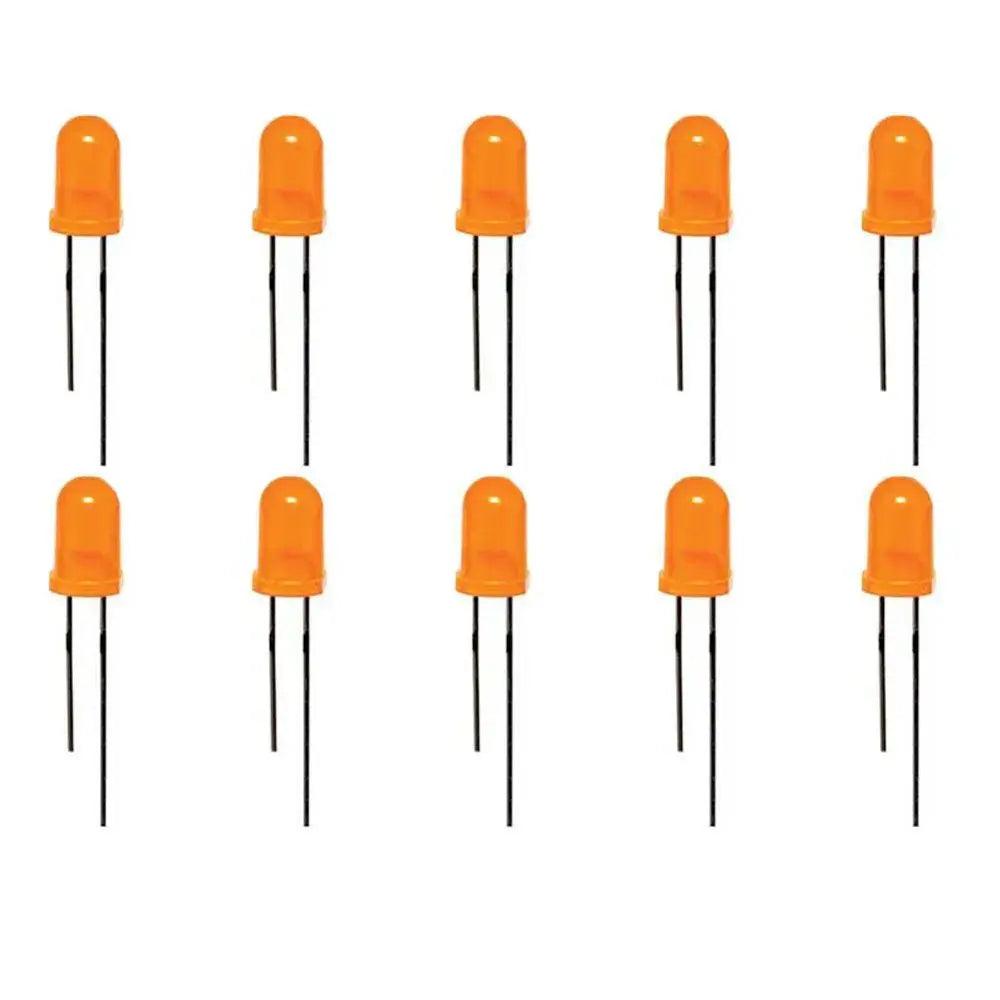
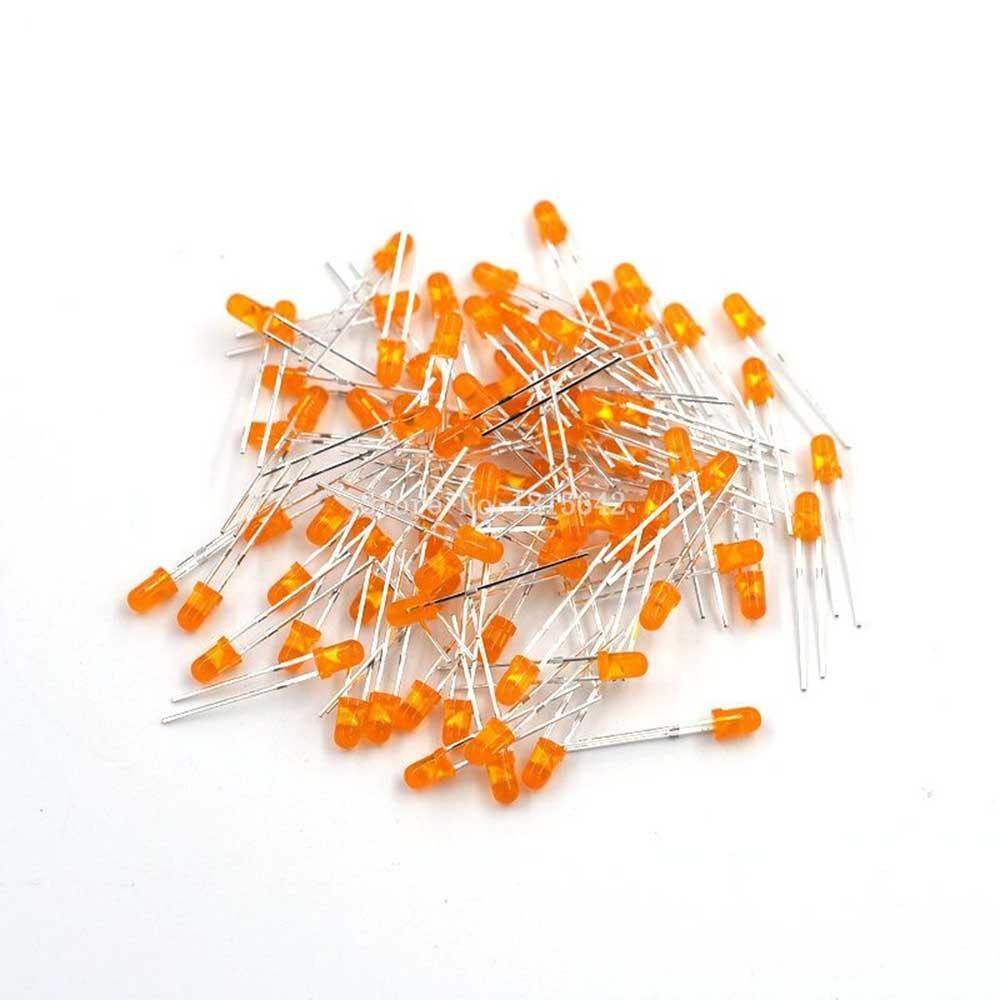
5mm Orange LED (Pack of 2)

SKU: BZEM9F43W2
The 5mm Orange LED (Light Emitting Diode) is a compact and energy-efficient component widely used in electronics projects, Arduino circuits, robotics systems, and indicator applications. With its standard 5 mm round through-hole package, the LED can be easily used on breadboards or soldered onto PCBs, making it suitable for both beginners and professional electronics developers. This LED produces a bright...
Regular price Rs. 5.00
Regular price Rs. 10.00 Sale price Rs. 5.00
Save Rs. 5
Sold out
Tax included. Shipping calculated at checkout.

Shipping & Returns

Orders placed before 3 PM IST will be shipped on the same day (excluding Sundays and Public holidays) through our shipping partners. In rare cases, the pickup may get delayed during Public holidays / Bandh / Environmental disturbances.

Specifications

Specifications:

Product Type: Light Emitting Diode (LED)
LED Colour: Orange
LED Size: 5mm
Optical Component: LED
Lens Type: Diffused
Mounting Type: Through Hole (DIP)
Dimensions: 3 × 2 × 1 cm
Weight: 5 grams

Additional Resources

FAQ

1. What voltage is required to operate a 5mm Orange LED?

A typical 5mm orange LED operates at a forward voltage of about 1.8V to 2.2V with a recommended forward current of around 20mA. A current-limiting resistor should be used to protect the LED.

2. What are the common applications of a 5mm Orange LED?

5mm orange LEDs are commonly used in indicator lights, Arduino and Raspberry Pi projects, DIY electronics circuits, robotics projects, and control panel indicators.

3. How can I identify the positive and negative terminals of the LED?

The longer lead of the LED is the anode (positive) and the shorter lead is the cathode (negative). The flat edge on the LED body also indicates the cathode side.

View full product details

The 5mm Orange LED (Light Emitting Diode) is a compact and energy-efficient component widely used in electronics projects, Arduino circuits, robotics systems, and indicator applications. With its standard 5 mm round through-hole package, the LED can be easily used on breadboards or soldered onto PCBs, making it suitable for both beginners and professional electronics developers.

This LED produces a bright orange light with a typical wavelength around 600–610 nm, making it ideal for status indicators, signal lights, and control panels. It generally operates at a forward voltage of about 1.8 V to 2.2 V with a recommended forward current of around 20 mA, so a current-limiting resistor should be used when connecting it to a power source or microcontroller.

The LED features a two-lead through-hole design, where the longer lead represents the anode (positive) and the shorter lead represents the cathode (negative). This simple configuration makes it easy to interface with development boards such as Arduino, ESP32, Raspberry Pi, and other microcontroller platforms.